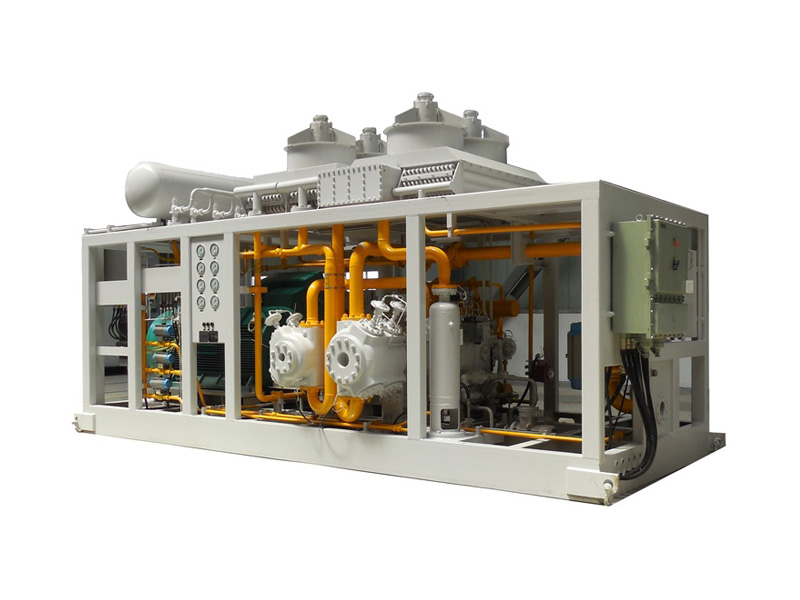
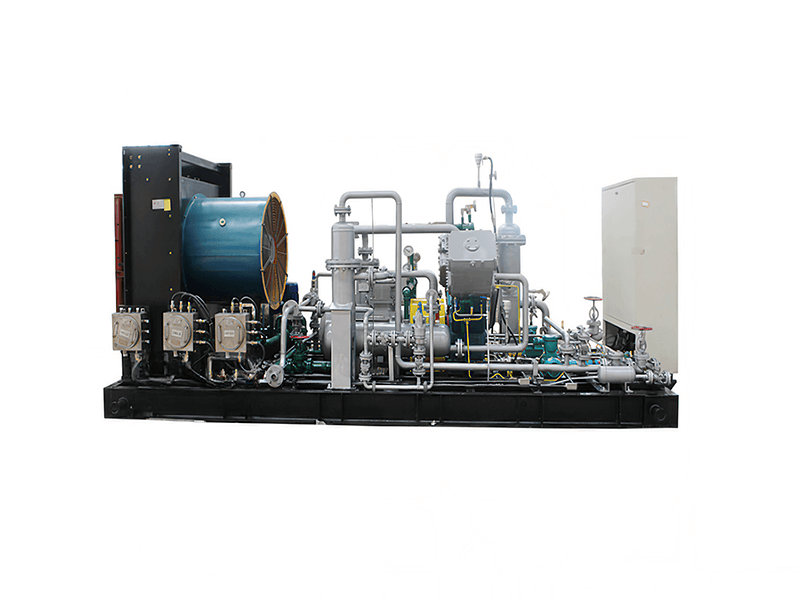
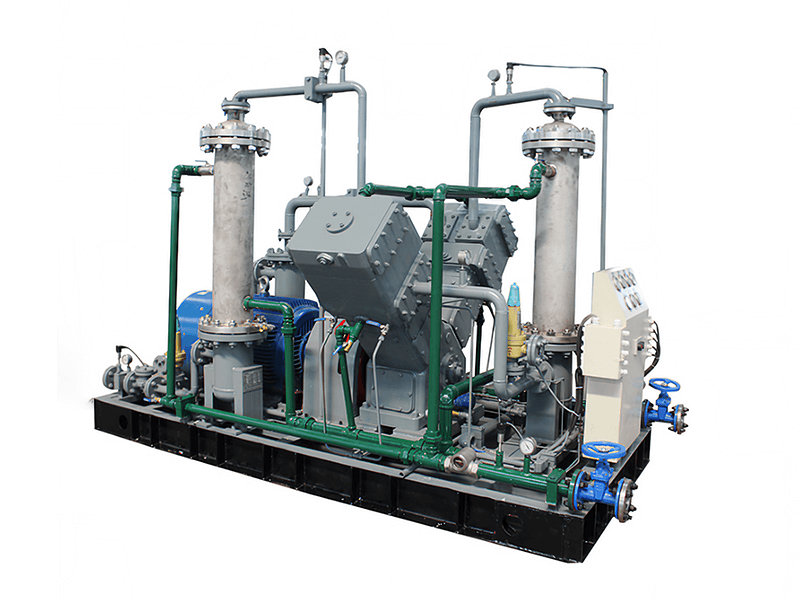
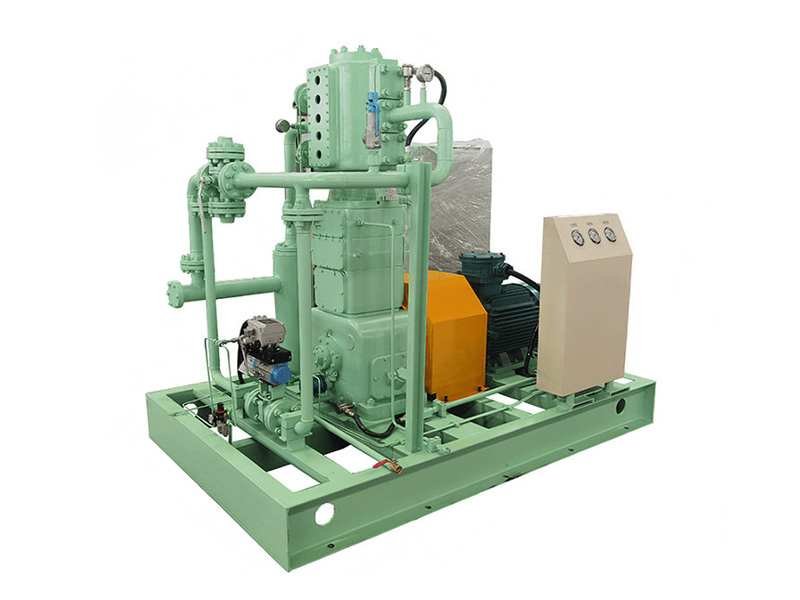
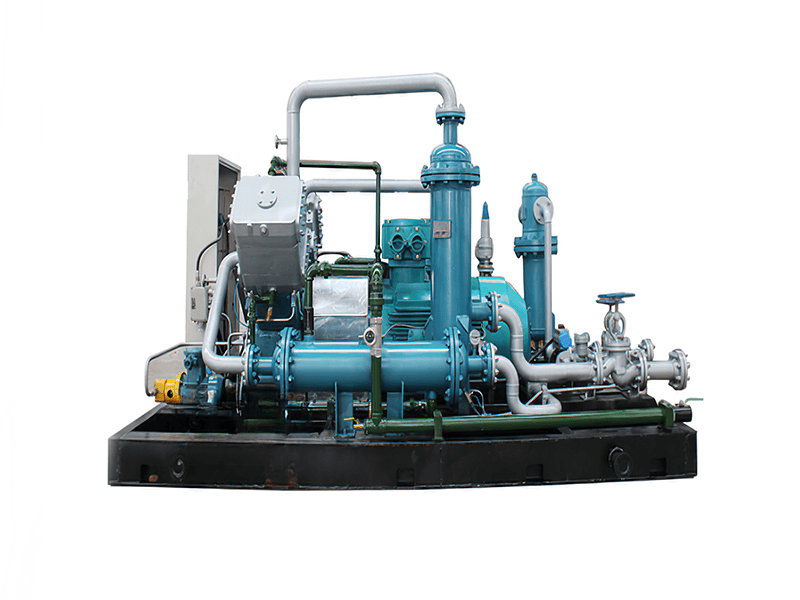
What Is a Chlorine Compressor? Meet AZS – A Trusted Chlorine Compressor Manufacturer in China
If you work with chlorine gas – for water treatment, chemical plants, or bleaching – you need a chlorine compressor. This is not an ordinary air pump. Chlorine is toxic and corrosive. So the machine must be built with special metals and leak‑proof seals.
I’ll explain how it works, introduce a reliable chlorine compressor manufacturer called AZS (based in China), and break down the price. No confusing jargon – just practical talk.
Chlorine Compressor Working Principle – Simple Step by Step
The chlorine compressor working principle is similar to a gas pump, but every part is protected against corrosion. Here’s what happens inside an AZS chlorine compressor:
Step 1 – Suction
The piston moves back, creating a vacuum. Chlorine gas (vapor) flows from the evaporator or storage tank into the cylinder through an inlet valve.
Step 2 – Compression
The piston moves forward. The inlet valve closes. The gas is squeezed into a smaller volume. Pressure rises to your target (e.g., 10‑15 bar).
Step 3 – Discharge
When pressure is high enough, the outlet valve opens. The compressed chlorine gas moves to the next process – like liquefaction or feeding a reactor.
Why AZS Adds Extra Safety to the Working Principle
Basic theory is simple. But real danger comes from leaks. AZS uses double dry‑gas seals with a nitrogen buffer. Even if the primary seal fails, the secondary seal holds. A sensor alarms immediately. That’s how a responsible chlorine compressor manufacturer protects your people.
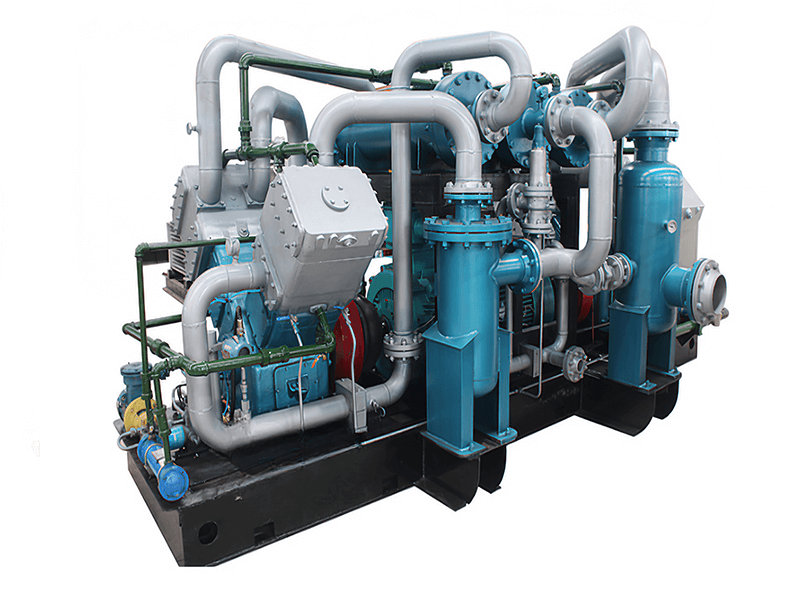
There are many compressor makers. Few handle chlorine. AZS has produced chlorine compressor units for over a decade. They export to Southeast Asia, the Middle East, and South America.
Materials & Quality
Wetted parts: stainless steel 316L or Hastelloy C‑276. Piston rings: PTFE with carbon fiber. No oil inside the gas chamber – because oil plus chlorine can explode. AZS also offers diaphragm‑type compressors for ultra‑pure chlorine duty.
Certifications & Testing
Every chlorine compressor from AZS is helium leak‑tested. They meet ISO 9001 and ATEX for explosive atmospheres. You get a test report with each machine.
Chlorine Compressor Price – What You Really Pay For
Price can range from $8,000 for a small 10 m³/h unit to $80,000 for a large 500 m³/h system. Here are the main cost drivers:
-
Material grade – 316L stainless steel is standard. Monel or titanium doubles the material cost.
-
Seal type – Magnetic coupling (sealless) costs more but has zero leakage. Mechanical seals are cheaper but need more maintenance.
-
Capacity & pressure – Bigger flow and higher pressure require larger cylinders and stronger motors.
-
Customization – Special flanges, remote control panels, or explosion‑proof motors add 15‑25%.
-
Shipping & taxes – Chlorine compressors are heavy. AZS offers FOB Shanghai or CIF your port. Ask for a breakdown.
Tip from AZS: Always request a full price list with material spec and seal type. Some low quotes use standard carbon steel – dangerous for chlorine.
FAQ
1. Can AZS make a chlorine compressor for liquid chlorine?
No – liquid chlorine needs a different pump (canned motor pump). AZS makes chlorine compressor for gas phase only. For liquid chlorine transfer, ask their sister company for a suitable pump.
**2. How often should I replace the piston rings?
Every 4,000 – 6,000 running hours, or every 2 years. AZS provides ring kits. Use only original PTFE‑carbon rings; aftermarket rings may swell and cause seizing.
3. Does a chlorine compressor need cooling?
Yes. Compression heats chlorine gas. AZS units have water‑cooled cylinder heads or fin‑air cooling for small models. Overheating can decompose chlorine into corrosive HCl, so never bypass cooling.
4. What’s the delivery time from AZS China?
Standard models (50 m³/h, 316L) take 30‑45 days. Custom materials (Hastelloy) take 60‑75 days. AZS stocks common spare parts – valves, rings, gaskets – for fast air shipment.
5. Can I visit AZS factory before ordering?
Yes. They welcome qualified buyers. Their plant is in Zhejiang province, about 3 hours from Shanghai. You can see the leak test station and material certificates. Contact them for an appointment.