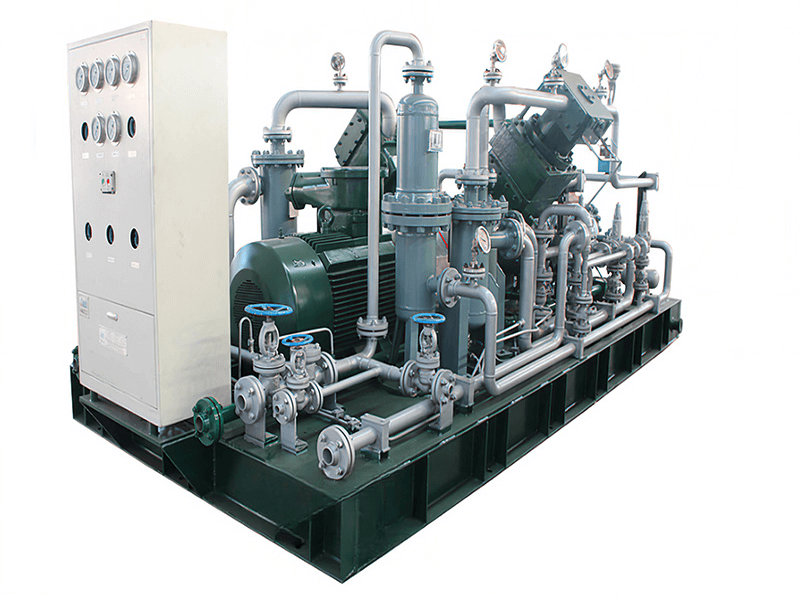
How a Gas Compressor Works – And What That Means for Your Purchase
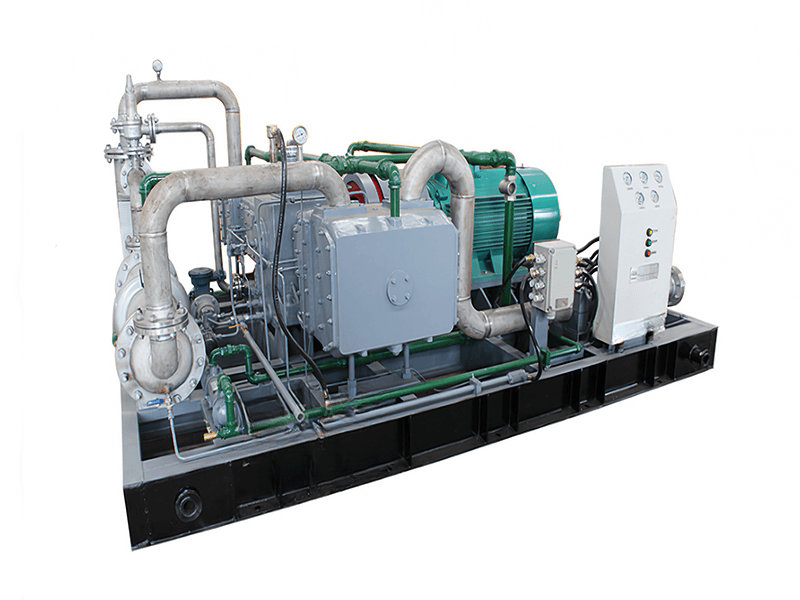
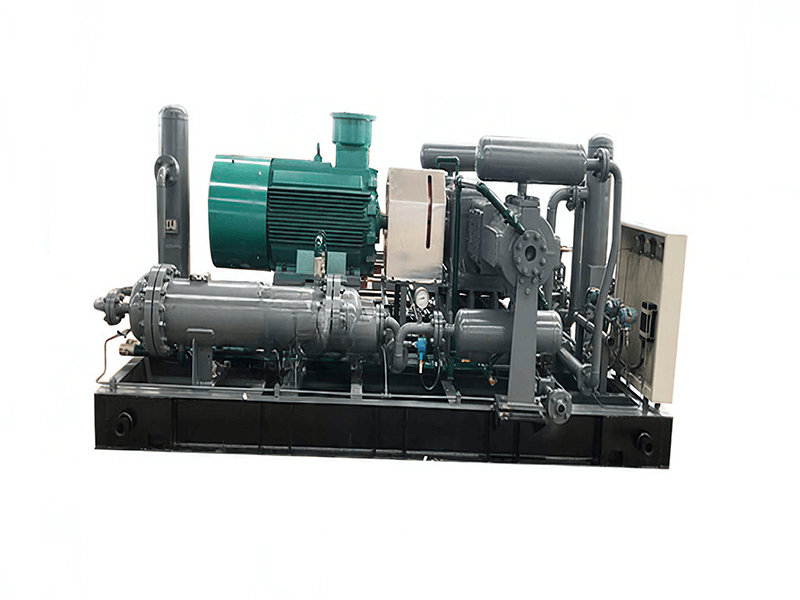
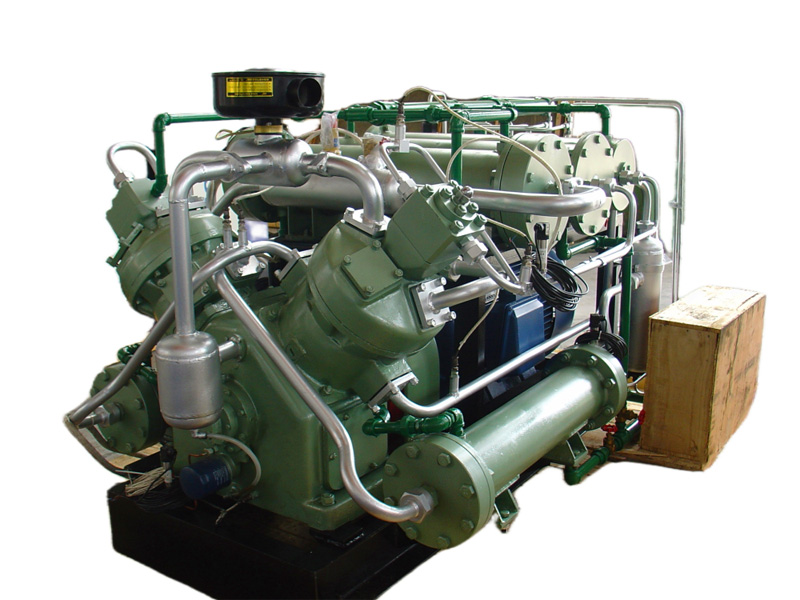
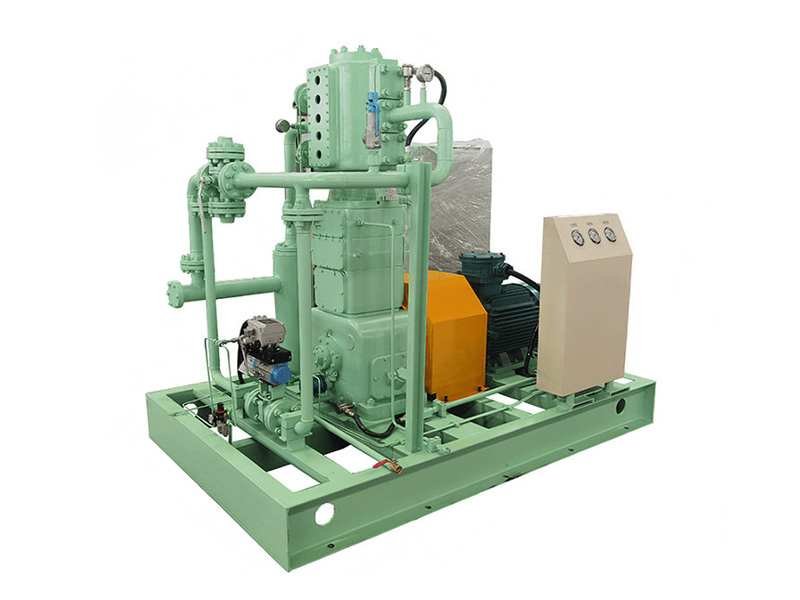
Ever wondered what’s really happening inside a gas compressor? You’re not alone. Most buyers just look at specs like PSI and CFM, but understanding the gas compressor working principle can save you from costly mistakes. Think of it like a heart pumping blood – the compressor takes in low-pressure gas and squeezes it into a smaller volume, raising the pressure so it can travel through pipes or power equipment. Whether you’re considering AZS air units for general plant use or specialized chlorine compressors for chemical processing, the core physics is similar.
Let’s break it down simply. Most gas compressors fall into two categories: positive displacement and dynamic. Positive displacement compressors (like rotary screw or reciprocating types) trap a fixed amount of gas and physically shrink its space. Imagine closing a syringe tip and pushing the plunger – that’s compression. Dynamic compressors use high-speed blades to accelerate the gas, then slow it down to build pressure. For example, an AZS air compressor often uses rotary screw technology because it runs continuously without overheating. That’s a huge plus for factories that operate 24/7.
Now, chlorine compressors add a twist. Chlorine is reactive and dangerous, so the gas compressor working principle stays the same, but materials change drastically. You’ll need components made of Hastelloy or titanium to prevent corrosion. A standard steel compressor would fail within weeks. This is why understanding the working principle helps you ask the right questions: “Is this model compatible with my gas type?” Not every compressor labeled “heavy-duty” can handle chlorine.
So what should you look for as a buyer? First, match the compressor technology to your application. For general compressed air, an AZS air unit with a [Link to: AZS Air Compressor Product Page] offers reliability and energy efficiency. For aggressive gases like chlorine, always check the seals and cylinder materials – ask for a [Link to: Material Compatibility Guide in Our Blog] if you’re unsure. And don’t forget maintenance access. A well-designed compressor lets you change valves or filters without disassembling half the machine. According to [External Link: Compressed Air & Gas Institute], proper selection can cut energy costs significantly.
Finally, remember that no two gas compressors are identical. The gas compressor working principle is universal, but execution varies. Test the unit if possible, or ask for a performance curve. And always plan for safety – especially with hazardous gases.
Ready to find your ideal compressor? [Link to: Contact Our Sales Team] for a free consultation based on your gas type and pressure needs. We’ll help you avoid mismatches and hidden costs.
FAQ About Gas Compressor Working Principle
1. What materials should I look for in chlorine compressors to prevent corrosion?
For chlorine service, choose compressors with stainless steel, Hastelloy C-276, or titanium wetted parts. Avoid aluminum or standard carbon steel – they’ll pit and leak within months. Also check that seals are PTFE or Viton, not Buna-N.
2. How can I verify the quality stability of an AZS air compressor before buying?
Ask for factory test reports and ISO 8573-1 certification for air purity. A reliable supplier will offer a performance curve and allow a witness test. Also, check if the [Link to: About Us – Quality Control Page] shows consistent batch records.
3. What are common applications where gas compressors work best?
They’re used everywhere: powering pneumatic tools, filling gas cylinders, boosting natural gas in pipelines, and in chemical plants. For AZS air units, think automotive assembly lines. For chlorine compressors, think water treatment or PVC production.
4. What safety risks come with operating chlorine compressors?
Leaks are the biggest risk – chlorine gas is toxic and corrosive. Ensure the compressor has double seals, a gas detection system, and an emergency vent scrubber. Never bypass pressure relief valves. Regular leak testing is non-negotiable.
5. What key factors should I check before purchasing any gas compressor?
Match the compressor type to your gas (dry, wet, corrosive, flammable). Check flow rate (CFM), discharge pressure (PSI), duty cycle, and noise level. Also confirm spare parts availability – a cheap unit with no parts support will cost you more in downtime.