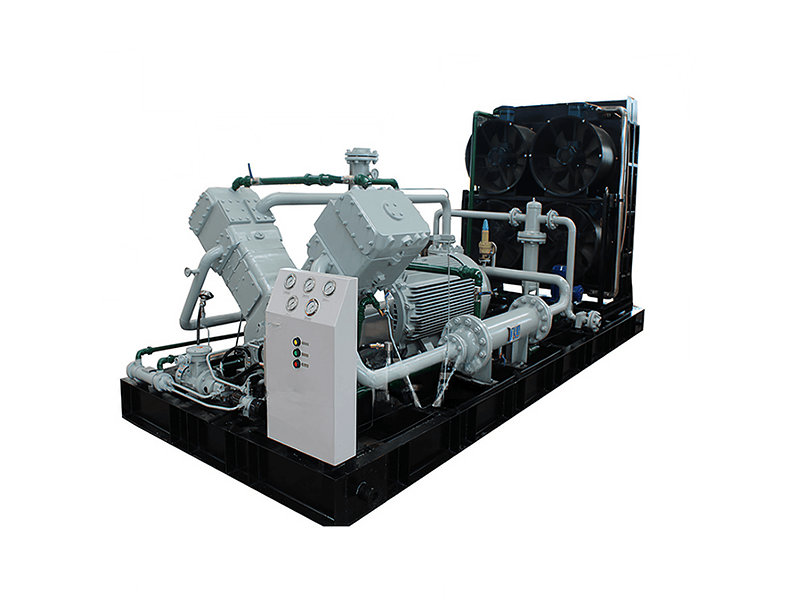
Air compressors are a “general-purpose power source” in industry, used almost everywhere from pneumatic tools and spray painting to chemicals, medical care, and electronics manufacturing. According to statistics, air compressor electricity consumption accounts for more than 6% of total national electricity generation. Selecting the right equipment directly affects a company’s energy costs. When faced with models such as reciprocating, screw, and centrifugal compressors, how should users understand them and make the correct selection?
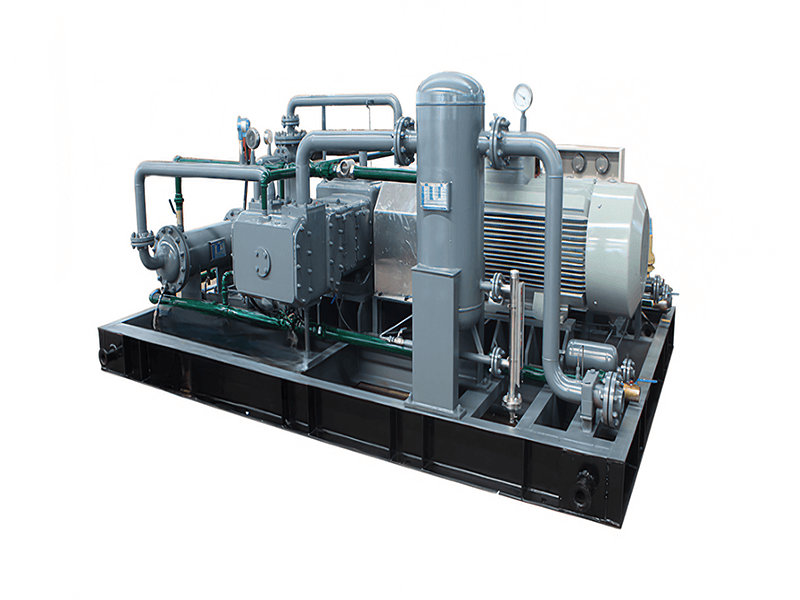
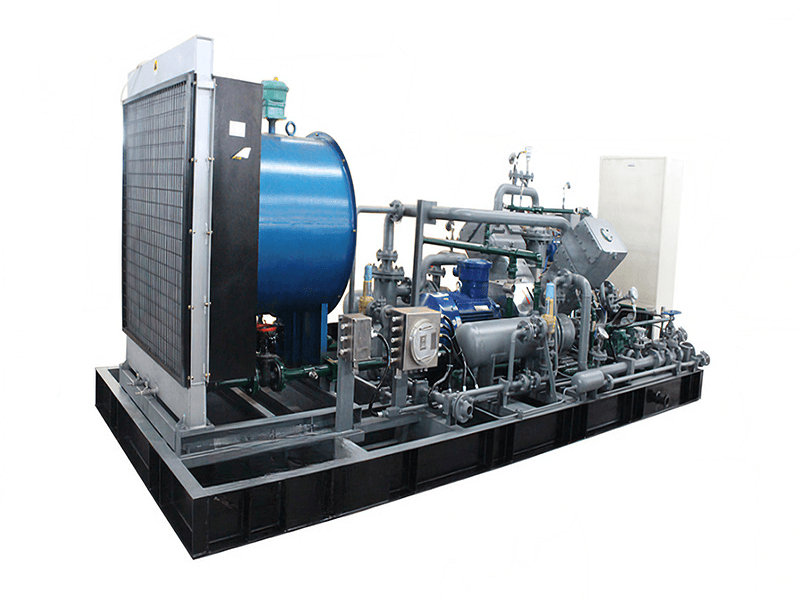
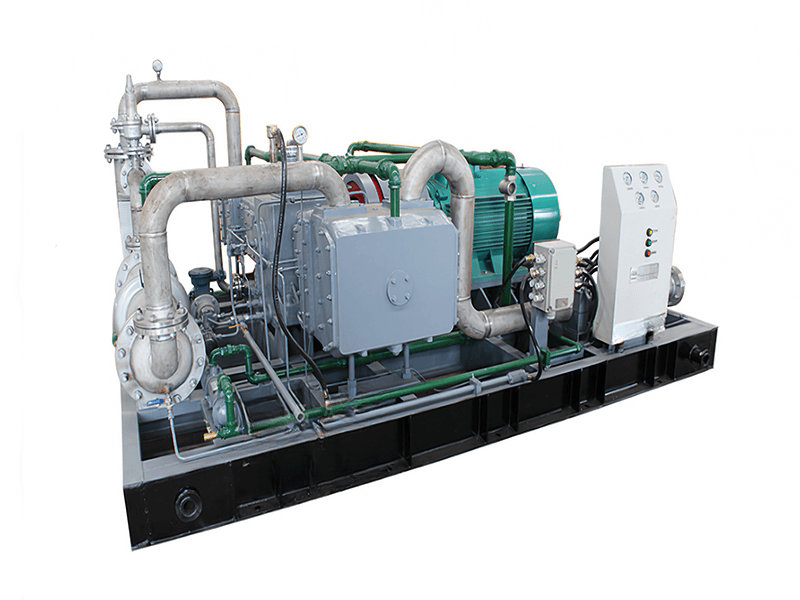
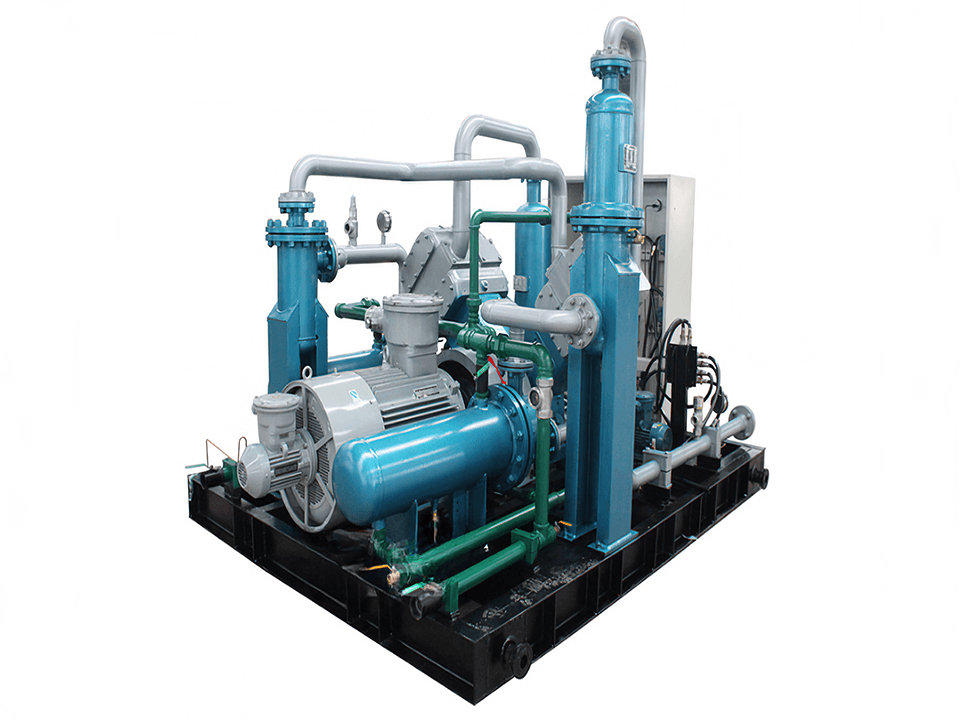
Common air compressors are mainly divided into four categories. Reciprocating compressors compress air through the reciprocating motion of a piston, offering a wide pressure range and suitability for intermittent, high-pressure, low-flow applications. Screw compressors compress air through the meshing of twin screw rotors; they feature a compact structure and smooth operation and are the mainstream industrial type. Centrifugal compressors convert kinetic energy into pressure energy through high-speed impellers, providing high flow and high efficiency for large-scale continuous air supply. Scroll compressors compress air through the relative motion of scroll wraps; they offer low noise and low vibration and are mostly used in small precision applications.
In terms of operating principle, air compressors are classified into positive displacement and dynamic types. Positive displacement types include reciprocating, screw, and scroll compressors, which increase pressure by reducing the volume of a sealed chamber. Dynamic types, represented by centrifugal compressors, first impart high-velocity kinetic energy to the gas and then decelerate it in a diffuser to increase pressure. Each type has its applicable operating conditions; neither is absolutely superior.

In terms of applications, the manufacturing industry uses compressed air to drive pneumatic tools, automated production lines, and sandblasting and spray painting. Construction and mining use pneumatic picks, rock drills, and shotcrete equipment. The medical and food industries require oil-free compressed air for respiratory air supply, pharmaceutical production, and food packaging. Electronics and semiconductors rely on high-purity compressed air. The textile and chemical industries use it for instrument air and process air. Different applications have significantly different requirements for pressure, flow, and air quality.
Selection should focus on five key factors. Air delivery capacity should be determined based on the total air consumption of simultaneously operating equipment, with an appropriate margin. Discharge pressure should be selected according to the highest air demand pressure to avoid oversizing. Air quality requirements should be confirmed, including whether oil-free air is required and whether water, oil, and particulate removal is needed. For energy consumption and efficiency, attention should be paid to specific power, i.e., kW/(m³/min); permanent magnet variable-frequency units can achieve significant energy savings. Noise and the installation environment should also be considered; low-noise units are preferable for indoor installation, while explosion-proof and corrosion-resistant units are required in special environments.
In terms of maintenance, check the oil level, drain condensate, and listen for abnormal noise daily. Regularly replace the air filter element, oil filter, and oil separator element, and check belt tension and cooler cleanliness. Common faults such as excessive discharge temperature, insufficient oil pressure, reduced air delivery, and unit vibration are often related to clogged filter elements, lubricant degradation, and inadequate cooling. Proper preventive maintenance can reduce downtime losses.
In terms of technology trends, permanent magnet variable-frequency technology is being adopted at an accelerating pace, automatically adjusting speed according to air demand and achieving energy savings of 20–30%. Demand for oil-free compressors is growing to meet high-purity requirements in medical, food, electronics, and other applications. Waste heat recovery uses compression heat for space heating or hot water, further improving overall energy efficiency.
Overall, there is no “one-size-fits-all” answer to air compressor selection. By making a comprehensive assessment based on air demand, pressure, air quality, energy efficiency, and installation environment, and by performing proper maintenance during operation, selecting the right equipment is the first step for an enterprise to save energy and reduce costs.