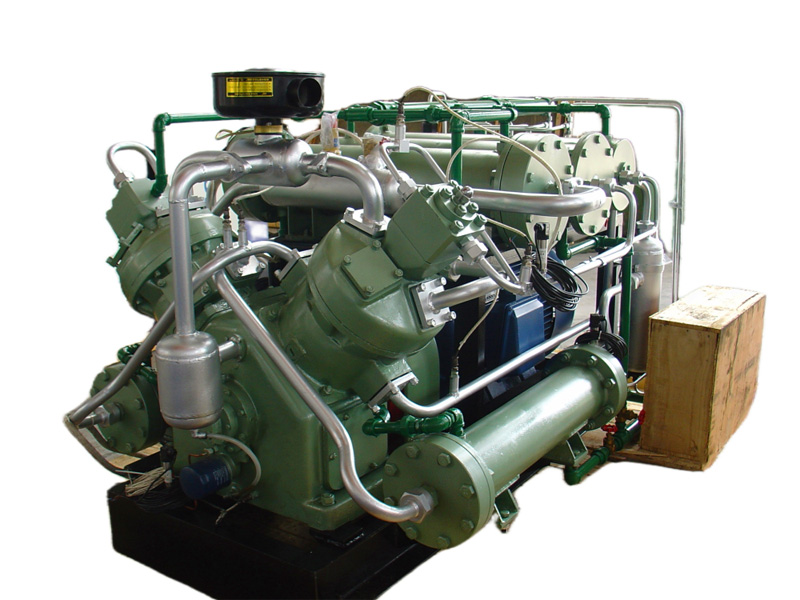
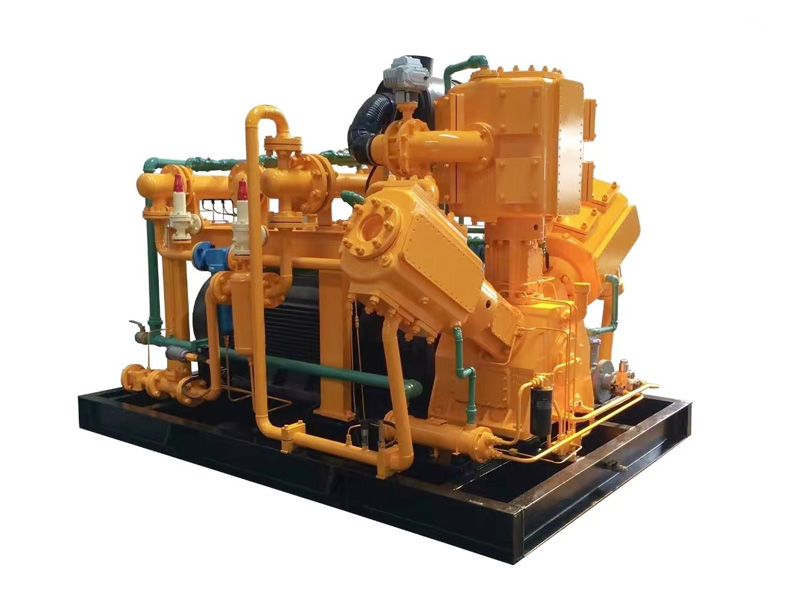
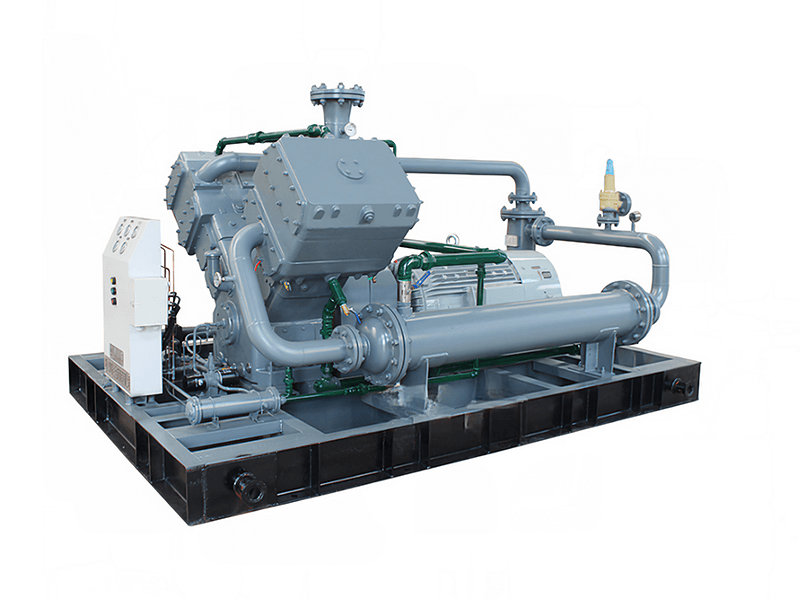
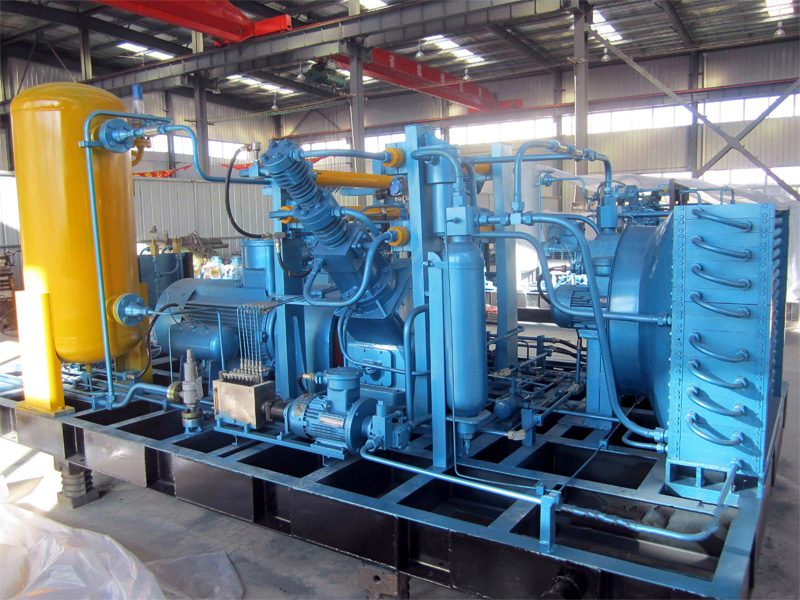
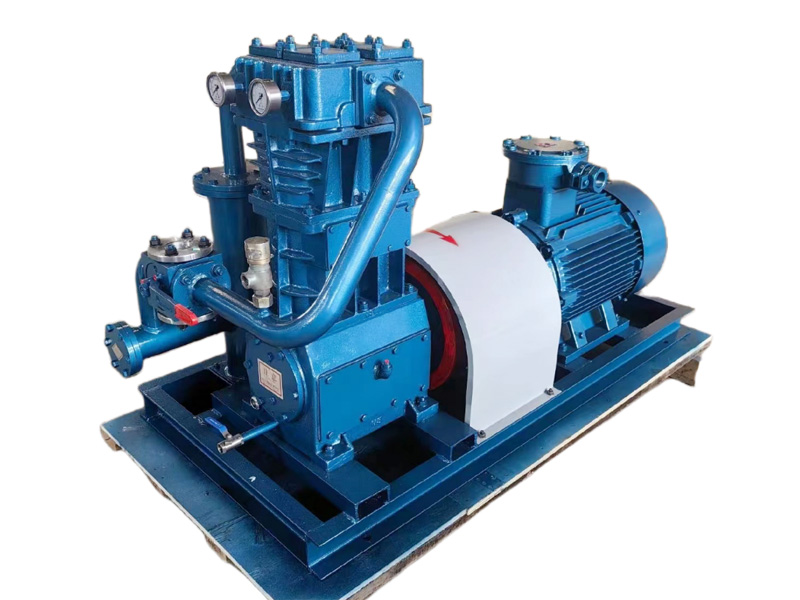
Hydrogen energy is hailed as the "ultimate energy of the 21st century," and China has clearly defined hydrogen energy as an important component of its energy system. Throughout the entire hydrogen energy industry chain, Hydrogen Compressors run through hydrogen production, storage and transportation, refueling stations, and hydrogen utilization, and are known as the "heart" of hydrogen energy systems. Compared with ordinary air compressors, hydrogen compressors face special challenges such as high pressure, hydrogen embrittlement, and leakage, have higher technical thresholds, and are directly related to whether the hydrogen energy industry can develop safely, efficiently, and at scale.
From the perspective of technical requirements, hydrogen compressors must first adapt to high-pressure operation. Hydrogen refueling stations need to compress hydrogen to 35 MPa or 70 MPa, placing extremely high demands on material strength, sealing structures, and reliability. Second, the issue of hydrogen embrittlement cannot be ignored. After hydrogen atoms penetrate the metal lattice, they may cause material embrittlement, so special alloys or coatings must be selected. Third, hydrogen molecules are extremely small and highly prone to leakage, making sealing technology a core difficulty. Fourth, hydrogen for fuel cells is extremely sensitive to oil content, so oil-free compression must be achieved to avoid lubricating oil contaminating the hydrogen.
At present, hydrogen compressors mainly follow several technical routes. Diaphragm compressors isolate gas from hydraulic oil through a metal diaphragm, achieving oil-free, high-pressure, high-purity compression, and are the mainstream choice for hydrogen refueling stations. Hydraulic-driven piston compressors use hydraulic pressure to drive the piston, featuring a compact structure and large displacement, and are suitable for hydrogen refueling stations and filling scenarios. Ionic liquid compressors use ionic liquid as the sealing and lubricating medium, offering high efficiency and oil-free operation, and are an emerging new technical route in recent years. Reciprocating compressors have mature technology and are suitable for scenarios such as recovery of by-product hydrogen in chemical production. Different routes have their own advantages and must be selected comprehensively based on pressure, flow rate, purity, and operating cost.

On the application side, hydrogen refueling stations are the most closely watched scenario for hydrogen compressors, where their role is to pressurize hydrogen from tube trailers or pipelines to 70 MPa for refueling fuel cell vehicles. In the hydrogen filling process, low-pressure hydrogen produced by hydrogen production units needs to be compressed and filled into hydrogen storage cylinder groups or tube bundles. Long-distance hydrogen pipeline transportation requires booster stations, and compressors are likewise core equipment. In the chemical and refining fields, processes such as hydrocracking and hydrotreating are inseparable from hydrogen compressors. In the green hydrogen-to-green ammonia pathway, hydrogen produced from wind and solar power is compressed for ammonia synthesis, and compressors are also a key link.
In terms of technology trends, hydrogen refueling stations are developing toward high pressure and large displacement, with the daily hydrogen refueling capacity of a single station moving from 500 kg toward more than 1,000 kg. Low energy consumption has become a focus of competition; compressor energy consumption accounts for a major share of the operating cost of hydrogen refueling stations, and isothermal compression and waste heat recovery are important directions. Domestic substitution is also accelerating. Domestic hydrogen compressors were once dependent on imports for a long time, and in recent years breakthroughs have been achieved in domestic diaphragm and hydraulic-driven types. In terms of intelligentization, remote monitoring, fault warning, and predictive maintenance are becoming standard features, helping to improve the safety and operational efficiency of hydrogen refueling stations.
Safety and maintenance are the lifeline of hydrogen compressor applications. Hydrogen is flammable and explosive, so compressor rooms must adopt explosion-proof designs and be equipped with hydrogen leakage alarms and adequate ventilation. Daily inspections should regularly check diaphragms, seals, and valves to prevent sudden failures caused by hydrogen embrittlement. Hydraulic oil also needs to be tested regularly to avoid contaminating the hydrogen. Only by integrating safety throughout the entire process of design, operation, and maintenance can hydrogen compressors provide reliable support for the hydrogen energy industry.
The hydrogen energy industry is experiencing explosive growth, and the market space for hydrogen compressors is broad. In the future, enterprises that master high-pressure, oil-free, and long-life compression technologies will gain a competitive advantage. The company will continue to deepen its presence in the field of hydrogen energy equipment, advance technological innovation in directions such as high-pressure sealing, oil-free compression, and intelligent operation and maintenance, and provide safer and more efficient compression solutions for hydrogen production, storage and transportation, refueling, and utilization, helping to promote the high-quality development of the hydrogen energy industry.