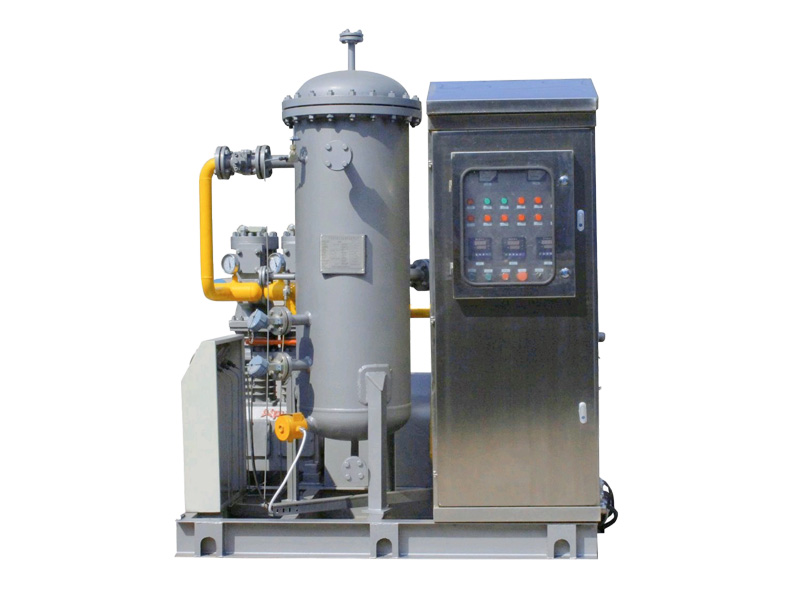
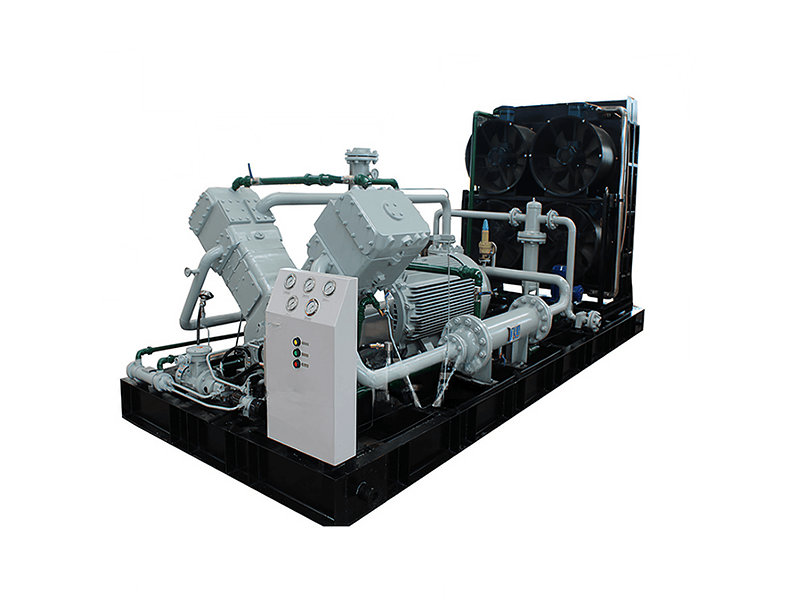
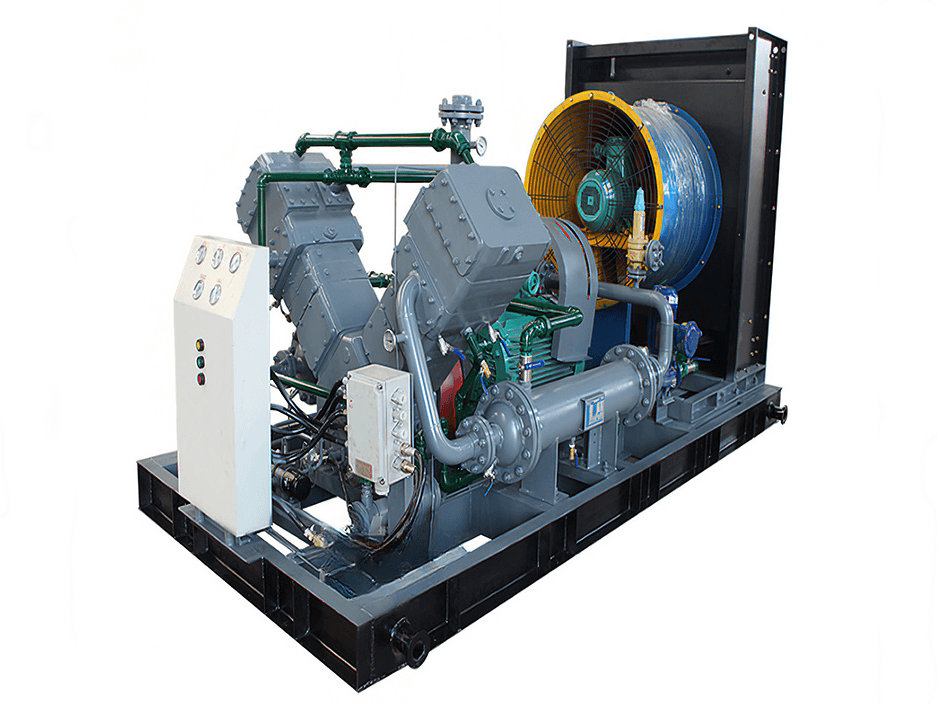
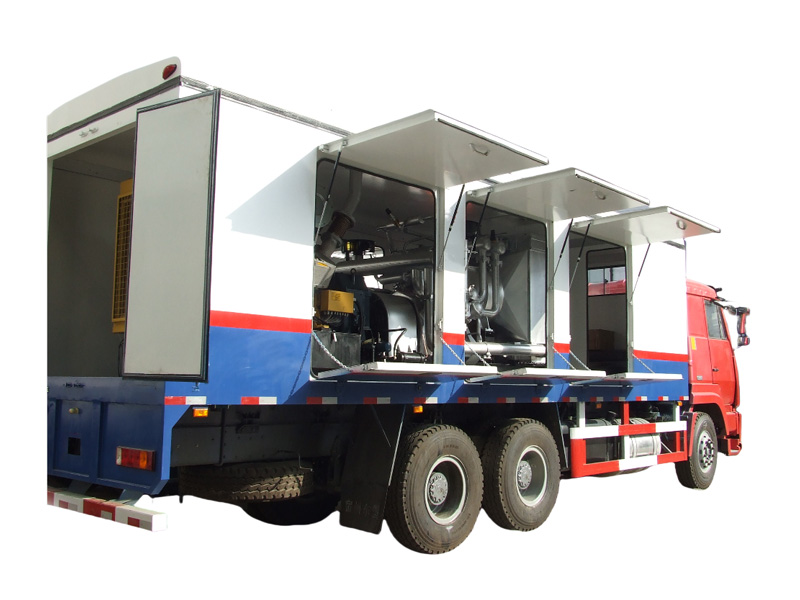
As a core power equipment in modern industrial production, the nitrogen compressor's operating condition directly impacts the safety and efficiency of production lines. A well-maintained compressor can operate stably for decades, whereas neglected equipment may develop frequent faults within just a few years. For enterprises that already own or plan to use such equipment over the long term, mastering scientific maintenance methods and gaining insight into technological development directions are equally critical.
Common Faults and Early Warning Signs
Early identification of fault precursors is the first step in avoiding unplanned shutdowns. Among mechanical faults, overheating is the most common issue, typically caused by insufficient cooling, inadequate lubricant supply, or excessive ambient temperature—if an abnormal rise in body temperature is observed, these aspects should be prioritized for investigation. Abnormal vibration and noise often indicate misalignment, bearing wear, or imbalance in rotating components; if such problems are not addressed promptly, they may trigger cascading damage. Valve faults manifest as insufficient compression or poor sealing, usually resulting from valve plate wear or deposit accumulation.
At the system level, pressure drop frequently stems from aging seals or pipeline leakage, while oil contamination may arise from lubricant degradation, filter system failure, or seal leakage. Additionally, filter clogging significantly reduces gas flow efficiency and requires regular inspection and replacement. In the electrical and control domain, motor faults and control system malfunctions are equally critical and must be prevented through routine electrical inspections.

Daily Maintenance: Three Parts Repair, Seven Parts Care
A scientific maintenance regime is the key to equipment longevity. For periodic inspections, it is recommended to clean the compressor exterior every three to six months to remove accumulated dust and oil residues; simultaneously, conduct comprehensive checks on all connection points, seals, valves, lubrication systems, and cooling systems. Detailed records of inlet/outlet pressure, temperature, oil pressure, and electrical parameters should be maintained to build a complete equipment operation log—these historical data are essential for judging the health trend of the equipment.
Lubrication management directly determines the extent of wear. As a general rule, screw compressors should have their lubricating oil changed every 2,000 to 3,000 operating hours, while reciprocating compressors require change every 1,000 to 1,500 hours. Before refilling, the oil sump and filter must be thoroughly cleaned to prevent residual contaminants from polluting the new oil. Cooling system maintenance is equally important—ensure adequate cooling water quality and flow rate, and regularly check for pipeline blockages or leaks to prevent impurities from corroding the internal cooling system.
More importantly, deep maintenance is indispensable. Studies indicate that performing a deep maintenance every 5,000 hours or annually—including disassembly and inspection of the main rotor, testing motor insulation performance, and calibrating various sensors—can reduce equipment failure rates by 62% compared to non-standard maintained units. These figures fully demonstrate that what may appear as "costly" scheduled maintenance is in fact the optimal choice for reducing overall lifecycle costs.
Safety Operation Protocols: Non-Negotiable
Before any maintenance operation, the power supply must be reliably disconnected and warning tags posted to prevent inadvertent startup. Meanwhile, safety devices such as pressure relief valves and emergency stop systems should be tested periodically to ensure reliable actuation in critical moments—this is not only equipment protection but also a safeguard for the safety of operating personnel.
The Future Is Here: Four Major Technology Trends
Looking ahead, nitrogen compressors are evolving rapidly toward greater efficiency, intelligence, and environmental sustainability.
Energy efficiency is the foremost trend. Variable frequency drive (VFD) technology enables dynamic adjustment of motor speed according to actual air demand, avoiding idle energy consumption during unloaded operation. The intelligent control functions integrated into new-generation compressors can automatically modulate output based on system pressure variations, effectively reducing energy waste.
Intelligentization is transforming equipment management. Remote monitoring, automatic start/stop, and fault self-diagnosis features are gradually becoming standard. Operators can monitor real-time equipment status via mobile phones or computers, enabling predictive maintenance and significantly reducing the incidence of sudden breakdowns.
Modularization and integration offer greater flexibility to users. Modular design allows enterprises to expand incrementally according to production growth, avoiding the dilemma of excessive initial investment or insufficient capacity in later stages. Highly integrated, all-in-one designs not only occupy a smaller footprint but also facilitate future maintenance and configuration adjustments.
In terms of green and low-carbon development, the "dual carbon" goals are driving accelerated transformation across the industry. From the adoption of new materials to the use of high-efficiency motors, from leakage prevention to waste heat recovery, every link is being optimized toward more environmentally friendly solutions.
In summary, proper maintenance practices can significantly extend equipment service life and ensure production safety; meanwhile, keeping pace with technological trends and selecting future-oriented equipment solutions will enable enterprises to gain a competitive edge in the fierce market. A reliably operating, technologically advanced nitrogen compressor serves as a robust guarantee for stable production lines and a solid foundation for sustainable business growth.