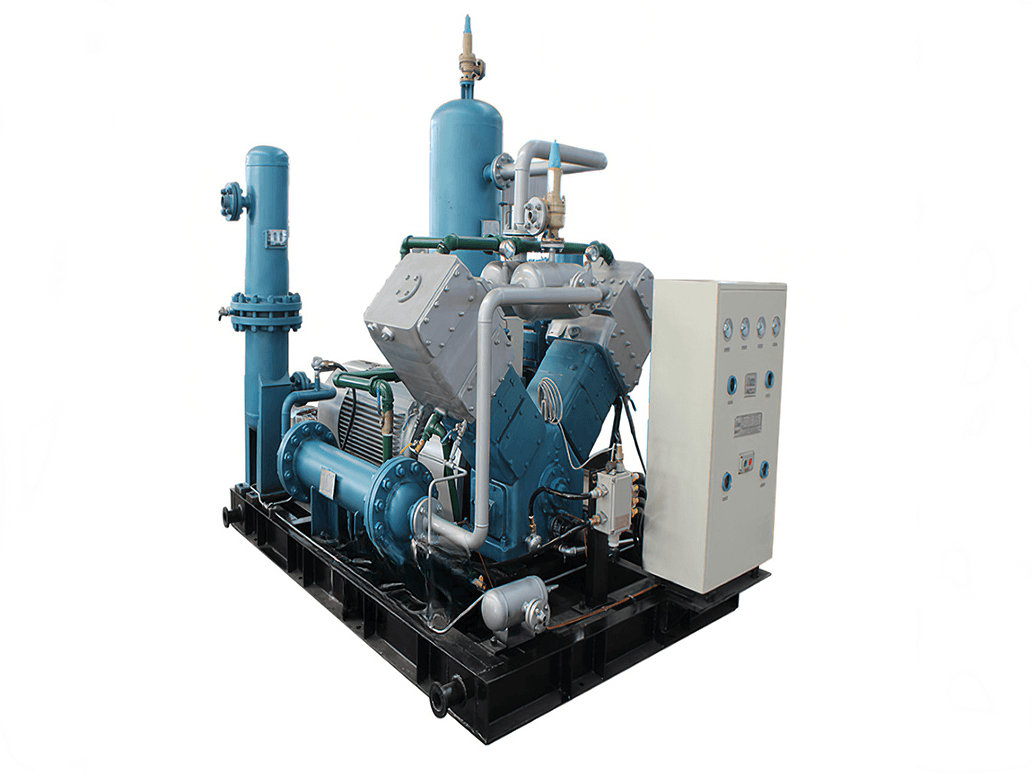
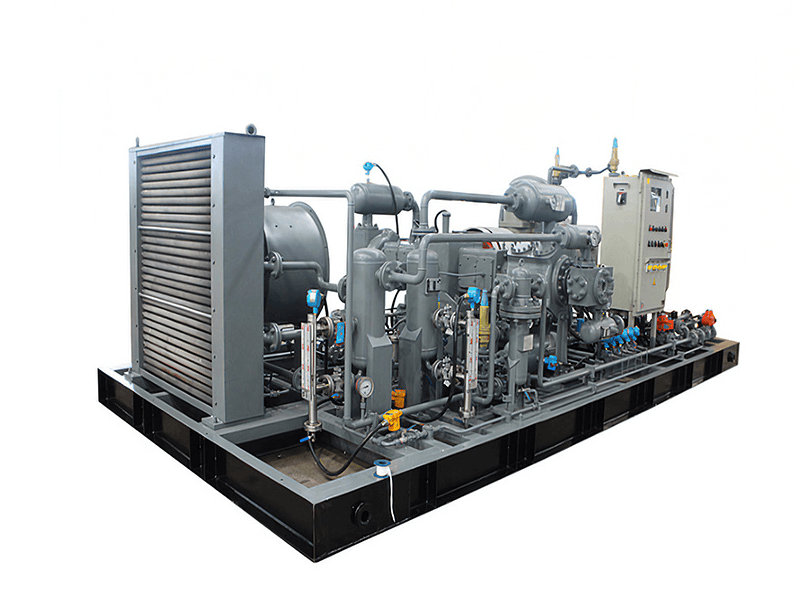
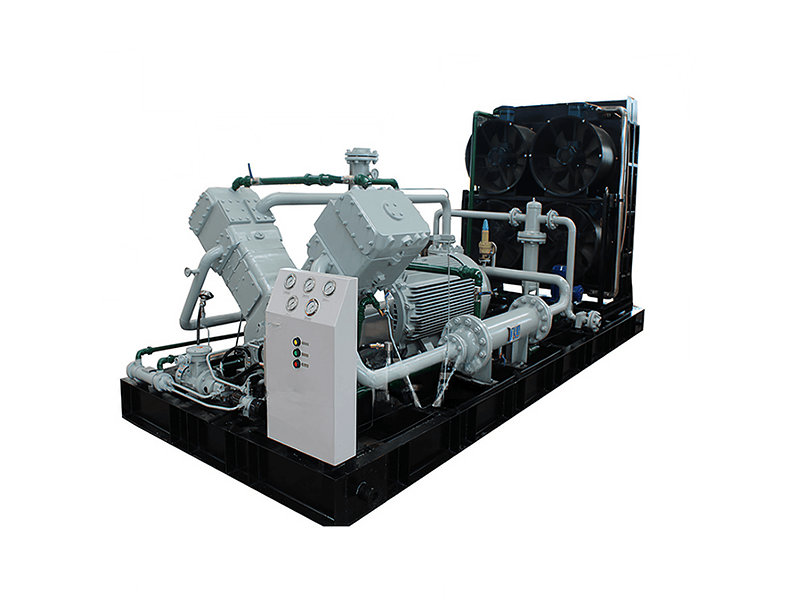
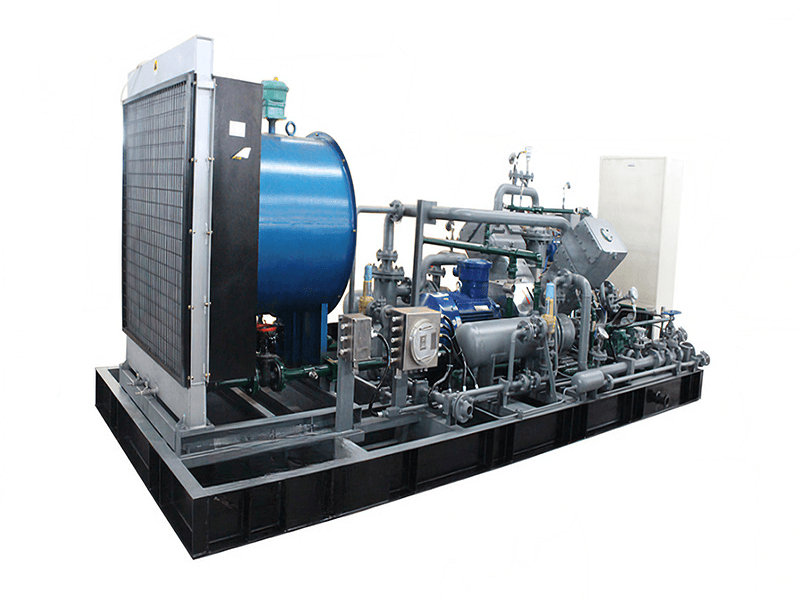
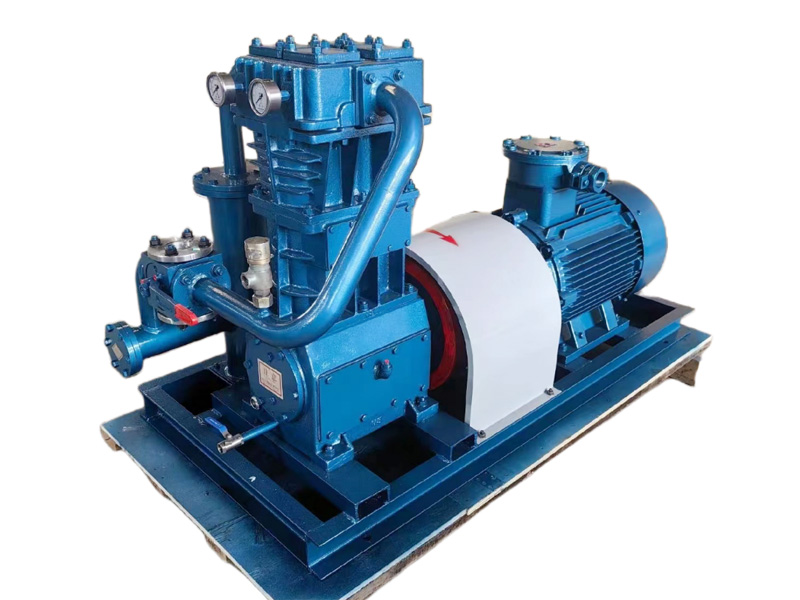
The ammonia compressor serves as the driving force of the refrigeration cycle, and its operational safety directly affects personnel health and equipment integrity. Ammonia, as a refrigerant, possesses both toxicity and flammability; at concentrations in air ranging from 15% to 28%, it presents a combustion or explosion hazard. Industry statistics indicate that the primary causes of ammonia refrigeration accidents are concentrated in three areas—improper operation, equipment aging, and unsound system design—rather than in the inherent hazardous properties of ammonia itself. Standardized operating procedures constitute the foremost safeguard for safety, and they must be observed at every stage: start‑up, running, and shutdown.
Pre‑start preparations determine the safety foundation for subsequent operation. The operator should first review the shift log to understand the equipment usage history and the reasons for the last shutdown. Verify that all valves in the system are in their intended standby positions: the line valves from the compressor to the oil separator and to the condenser should be open, while the compressor suction and discharge valves should be closed. The liquid level in the high‑pressure receiver must be maintained between 80% maximum and 30% minimum; the liquid level in the low‑pressure circulating receiver should be kept within 30% to 60% of its range. The crankcase oil level must not fall below the half‑way mark of the oil sight glass, and the crankcase pressure shall not exceed 0.2 MPa. Confirm that the safety protection devices—such as the oil pressure relay and the high/low pressure relays—are set to their specified trip values. Ensure that no foreign objects obstruct the rotating parts of the compressor or the surrounding area, and verify that cooling water supply to the condenser and to the compressor water jacket is normal. Rotate the coupling by hand for one or two revolutions; it should turn freely; otherwise, the cause of binding must be identified and rectified. Turn the oil filter handle to confirm that the oil circuit is unobstructed, and set the capacity control lever to the zero position. These ten pre‑start checks are mandatory and none may be omitted.
Start‑up operations must be carried out stepwise in accordance with the prescribed procedure. First, open the compressor discharge valve, then energise the compressor motor. After the compressor starts, slowly open the suction valve while closely monitoring the ammeter reading for stability. If a knocking sound indicative of liquid slugging (hydraulic hammer) is heard during the opening of the suction valve, this indicates that liquid refrigerant has entered the cylinder. In such an event, immediately close the valve slightly and then reopen it slowly until the knocking sound disappears completely, after which the valve may be opened further. After start‑up, adjust the oil pressure so that it exceeds the suction pressure by 0.15 to 0.29 MPa. For screw compressors, special attention is required: the oil pump must be started first to establish oil circulation; the main compressor may be started only when the capacity indication reads zero. After start‑up, increase the load in several steps and correspondingly adjust the liquid supply valve to prevent abnormal operating conditions arising from excessively rapid loading.

During operation, monitoring requires the operator to conduct regular inspections and record data. Observe changes in gauge readings for oil pressure, discharge pressure, and suction pressure; listen carefully for any abnormal sounds from running components; and feel the relevant parts by hand to detect any unusual temperature rises. Operating data should be recorded every two hours to maintain an operational log. Critical parameters must be strictly controlled within allowable limits: discharge pressure shall not exceed 1.56 MPa, oil temperature shall not exceed 65°C, and the single‑stage discharge temperature must remain within the range of 80 to 150°C.
Shutdown operations also require adherence to established procedures. For a normal shutdown, first close the liquid supply valve, then unload the compressor in stages down to the zero position. After full unloading, press the stop button, close the suction and discharge valves, and disconnect the power supply. An automatic shutdown occurs when the protection devices are actuated due to over‑pressure or over‑temperature; restart is permitted only after the operator has identified and eliminated the underlying fault. In an emergency, immediately press the emergency stop button, close the suction stop valve and the liquid supply valve, and then cut off the power supply.
Liquid slugging is one of the most common and severe risks during operation. The entry of liquid refrigerant into the cylinder can cause damage to valve plates, pistons, connecting rods, and other components; the system must therefore be equipped with a liquid separator as a preventive measure. The refrigerant vapour pressure in the system must not be allowed to rise abnormally high, to prevent rupture of equipment due to over‑pressure. Ammonia leakage frequently occurs due to disconnection of the charging hose or loosening of valve packing nuts; operators must remain vigilant during all handling operations. Liquid ammonia can reach temperatures as low as –33°C, and spray from a leak can cause severe frostbite; accordingly, all personnel must wear appropriate personal protective equipment.
The essence of safe operation lies in uncompromising execution of every step, each time. Enterprises should incorporate standard operating procedures into their management system and supplement them with regular training and drills, so that safety awareness and proper practices become second nature to all operators.