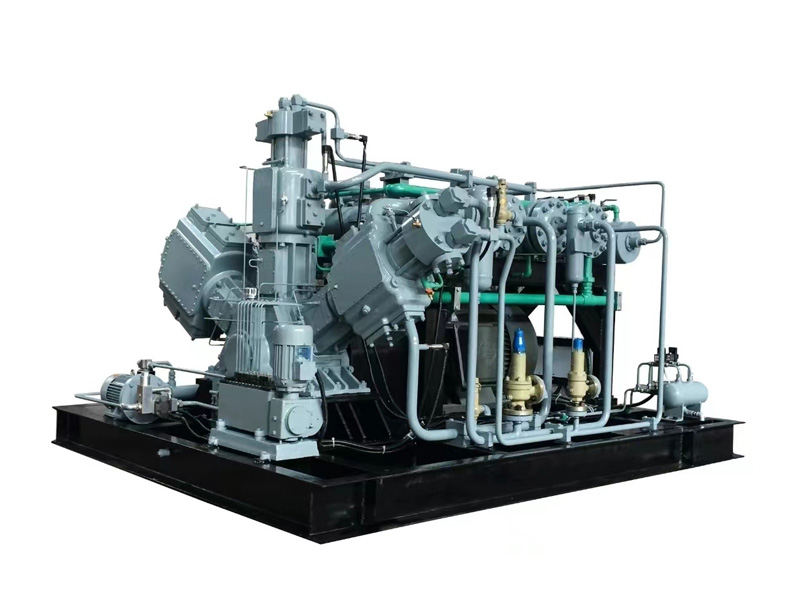
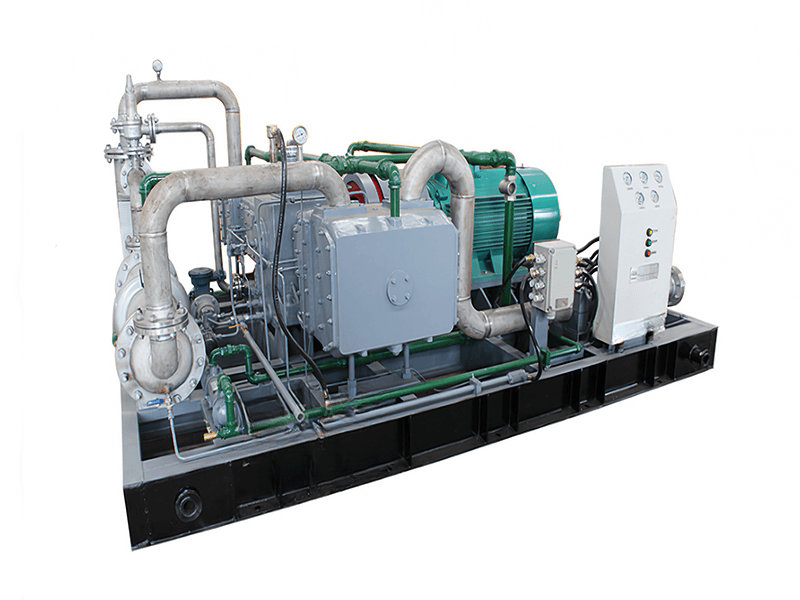
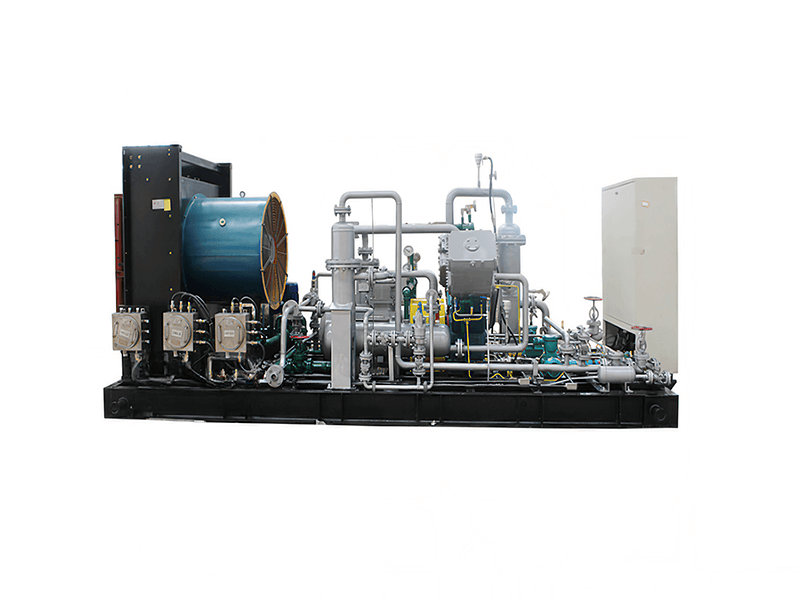
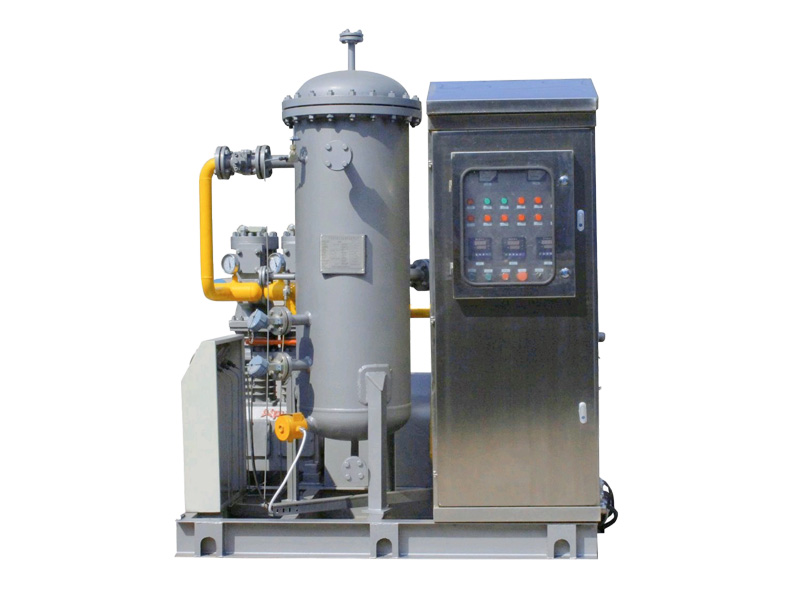
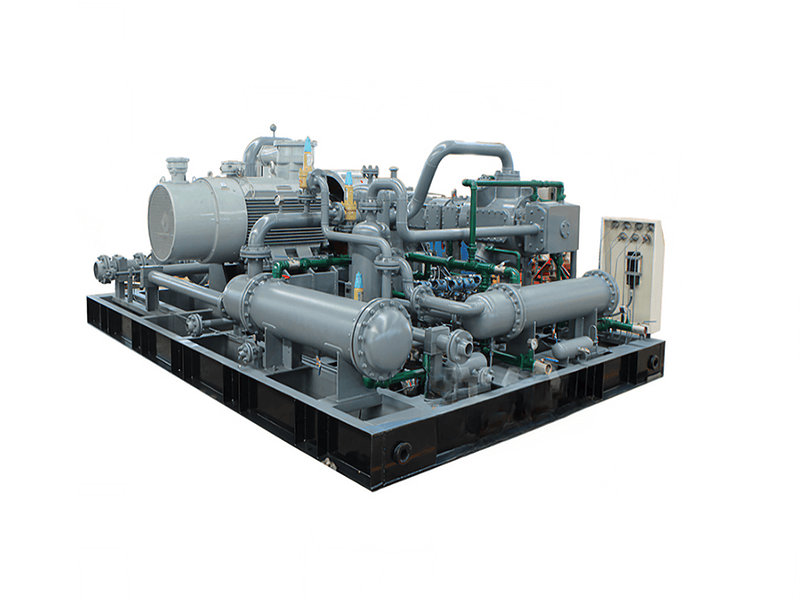
The operating performance of an ammonia compressor directly determines the cooling capacity and energy efficiency of the refrigeration system. Regular servicing and timely repairs not only extend the equipment service life but also effectively avoid production losses and high repair costs resulting from unplanned shutdowns. Equipment maintenance should be systematically carried out from two perspectives – daily upkeep and fault troubleshooting – throughout the entire life‑cycle management of the compressor.
Daily Maintenance covers several mandatory tasks. For the electric motor, it is essential to regularly check that no foreign matter or conductive objects have entered the interior, and to verify that the coil insulation is intact. Housekeeping of the equipment and its surroundings should not be overlooked: dust accumulated on the surfaces of the compressor and condenser must be cleaned periodically. Excessive dust build‑up reduces heat transfer capacity, which may lead to high‑pressure operation or even insufficient refrigeration. The oil level in the crankcase oil sump should be inspected at regular intervals; when the level falls below the scale mark, oil shall be replenished to the specified range. The lubricating oil used must be pre‑settled and filtered to remove entrained moisture and impurities. The oil grade for winter and summer operation should differ, in order to accommodate the effect of viscosity variation under different ambient temperatures on lubrication performance. During leakage checks, if ammonia gas escapes from the crankcase breather hole, it is usually an indication of wear in the piston rod packing. As a first step, the compression nuts may be tightened, but each adjustment should not exceed half a turn, to avoid excessive compression that could accelerate packing failure. Troubleshooting of common faults requires judgment based on operating parameters and on‑site symptoms. For difficult or complete failure to start, the first steps are to check whether the supply voltage is too low, whether the wiring connections are secure, and whether the discharge valve plate is damaged or leaking, which would cause excessive crankcase pressure. Insufficient oil pressure or no oil delivery generally results from insufficient oil reserve, blocked oil lines, or too little oil in the crankcase, or oil foaming due to ammonia liquid entrainment. Remedial actions include adding lubricating oil as appropriate, clearing the piping, and investigating the root cause of ammonia carry‑over. Excessively low suction pressure usually indicates that the liquid supply valve opening is too small, causing inadequate liquid feed; the valve should be opened wider to restore the evaporator liquid supply. High discharge temperature is often related to insufficient oil supply in the lubrication system, low cooling water flow, or blocked gas passages; each part of the lubrication and cooling systems should be systematically checked. Abnormal vibration and noise are frequently caused by shaft misalignment, bearing wear, imbalance of rotating components, or loose foundation bolts. These can be eliminated by checking alignment, replacing worn bearings, and tightening bolted connections. Refrigerant leakage in the system is mostly due to corrosion thinning or ageing/wear of seals; leak detectors should be used to locate the leak points and the corresponding sealing elements replaced. Seizure of the compressor (stuck cylinder) is generally attributable to improper operation or long‑term poor lubrication. Fundamentally, operating procedures must be standardised and daily maintenance intensified to avoid cumulative damage from abnormal operating conditions.

Maintenance of screw compressors has specific requirements. The adjustment of the oil return valve at the bottom of the oil separator must be performed precisely, ensuring that the oil level in the sight glass downstream of the separator remains stable, thus confirming smooth and adequate oil return. The dry gas seal system is a critical barrier for screw ammonia compressors to prevent the escape of high‑temperature, high‑pressure ammonia gas from the compressor housing. During operation, close attention must be paid to its working condition, with regular checks of seal gas pressure, flow rate, and leakage side discharge. Should any abnormal fluctuations or signs of leakage be detected, the unit must be stopped immediately for investigation and handling, to prevent seal failure from causing a serious accident.
Establishing a preventive maintenance schedule is an important guarantee for long‑term safe operation of the equipment. Daily tasks include checking the oil level, recording operating parameters, and listening to running sounds to detect any incipient problems. Weekly, the equipment surfaces and surrounding environment should be cleaned, and the sealing condition at piping connections checked. Monthly, electrical terminal connections should be inspected and tightened, and the operational reliability of safety protection devices such as oil pressure relays and high/low pressure relays should be tested. Quarterly, the lubricating oil should be replaced or filtered, valve plate wear assessed, and clearance volume changes measured. Annually, a comprehensive overhaul shall be scheduled, including calibration and verification of statutory measuring instruments such as safety valves and pressure gauges, to ensure accurate readings and responsive action.
The investment in equipment maintenance is far less than the cost of emergency repairs after a sudden failure. By establishing a management philosophy that prioritises prevention and combines routine upkeep with scheduled overhauls, the safe, efficient, and long‑term operation of ammonia compressors can be maximised.