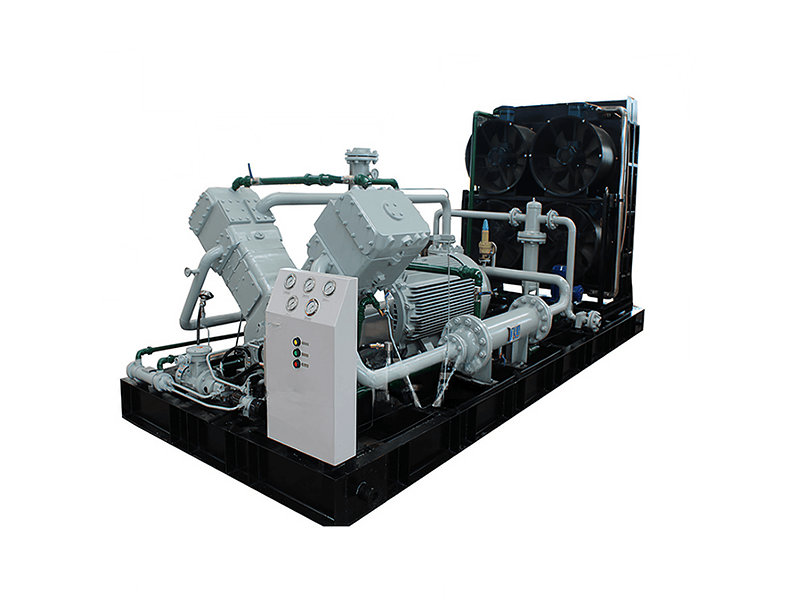
The Gas Agnostic Myth: Why Your CNG, H2, or CO2 Compressor Needs Are Nothing Alike
If you are a plant manager responsible for keeping a production line moving, a procurement officer signing off on a six-figure capital expenditure, or an engineer tasked with retrofitting a processing plant, you have likely heard the same dangerous phrase recently: “A compressor is a compressor.”
That is a lie that costs industries millions in unplanned downtime and safety incidents.
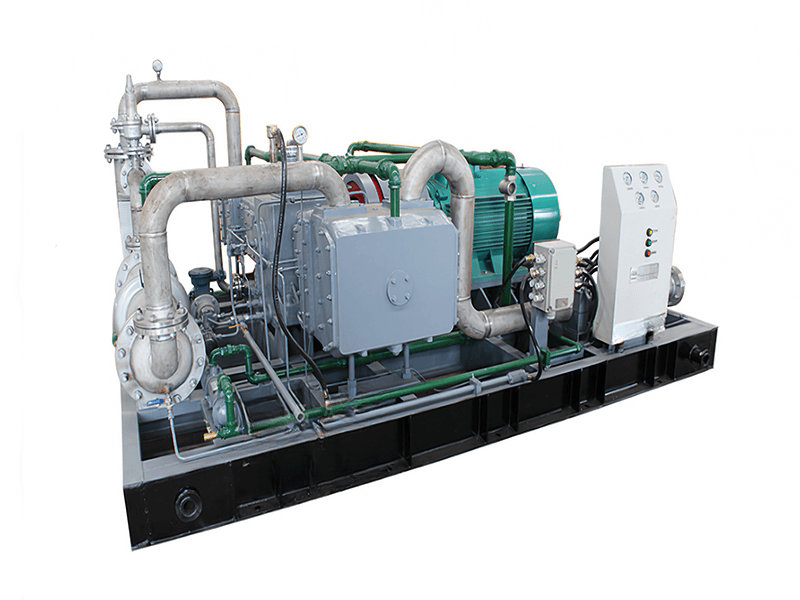
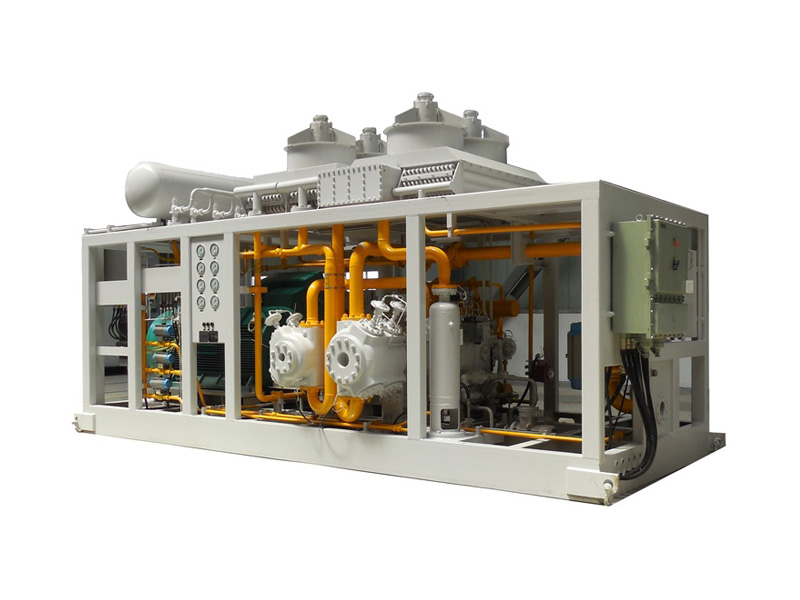
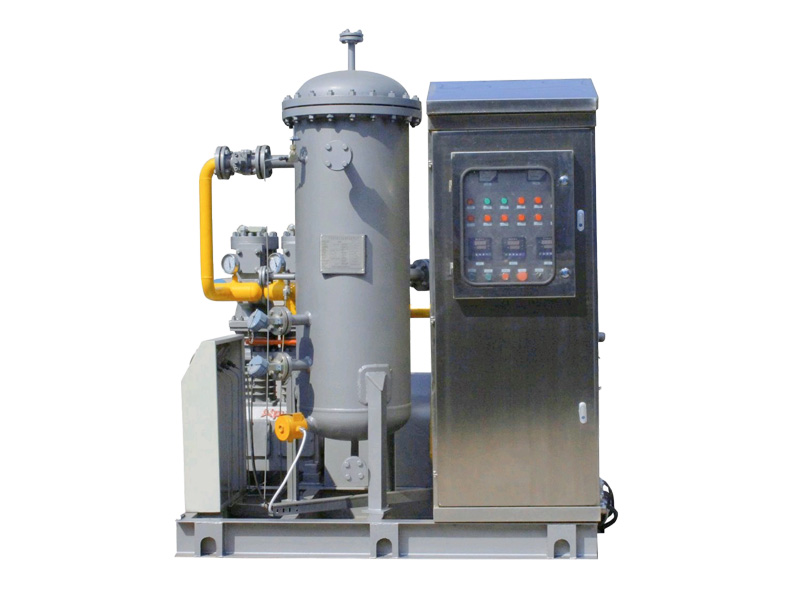
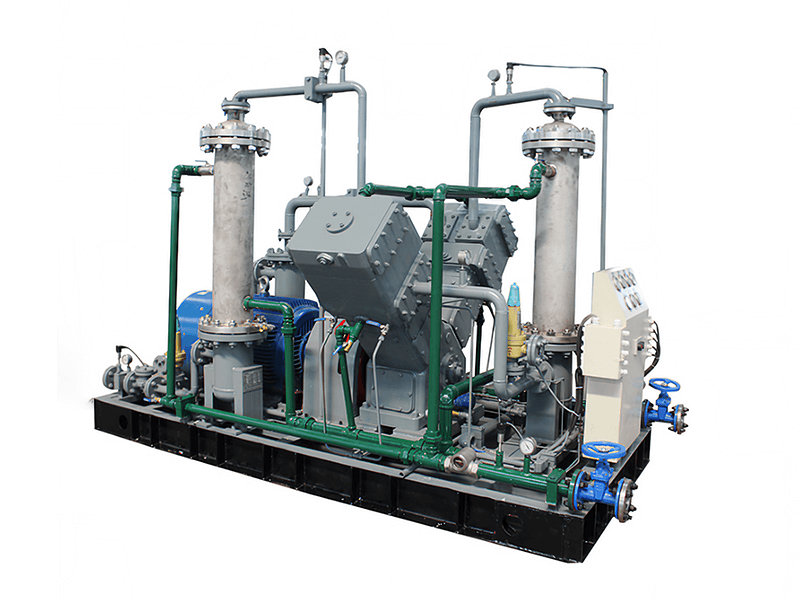
Whether you are pumping natural gas into a fleet of vehicles, capturing biogas for a renewable energy project, or pressurizing CO2 for food processing, the physics of your application dictates a specific engineering solution. Treating a CNG Compressor like a hydrogen unit is akin to putting diesel in a gasoline engine—the immediate results might look fine, but the long-term damage is inevitable.
Here is how to navigate the complexities of process gas compression to ensure your equipment outlasts your amortization schedule.
The "Process Gas" Paradox
When we look at the standard offerings in the industrial sector—from oil & gas companies managing upstream exploration to biotech firms requiring ultra-pure gas handling—the common denominator is often the hardware: the compressor. However, the process is where the specialization lies.
Most standard industrial compressors are designed for air. Air is forgiving. It has a consistent molecular weight, contains no corrosive elements (in theory), and doesn’t react violently with standard lubricants.
Process gases are different. They are volatile, reactive, and often operate under extreme pressure variances. If you are sourcing equipment for a natural gas processing plant or a chemical refinery, you aren’t just buying a pump; you are buying a containment vessel for a chemical reaction waiting to happen.
The Great Divide: CNG vs. H2 vs. CO2
To make the right choice, you have to look past the horsepower and look at the molecular structure of what you are moving.
-
CNG (Compressed Natural Gas): The primary concern here is high-pressure integrity and lubricity. Natural gas is "dry." It strips traditional lubricants away. A CNG compressor must utilize non-lubricated cylinders or specialized materials to prevent metal-to-metal contact as pressures climb to 3,600 PSI and beyond.
-
Hydrogen (H2): This is the "leaker." Hydrogen molecules are the smallest in the universe. For green hydrogen project developers or refineries, the compressor isn’t just a mechanical device; it is a security system. H2 embrittlement—where the metal actually weakens over time—is a constant threat. Sealing technology is the difference between a profitable operation and a volatile safety hazard.
-
CO2 (Carbon Dioxide): This is the "shapeshifter." For food & beverage plants or fertilizer manufacturers, CO2 is a nightmare because it doesn't play by the rules. Depending on temperature and pressure, it can exist as a gas, a liquid, or a solid (dry ice). A CO2 compressor must have precise thermal management to prevent dry ice formation, which can shatter valves and destroy pistons in milliseconds.
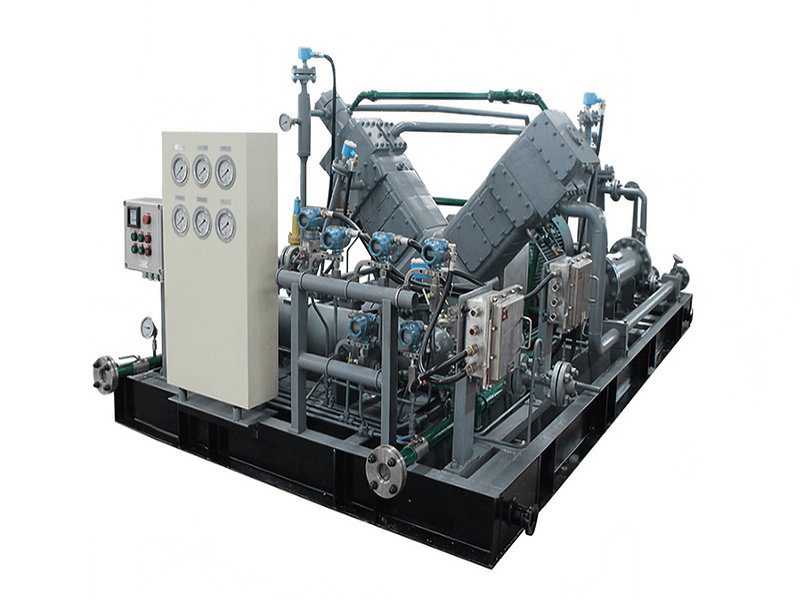
The Counter-Intuitive Truth: Buy the Gas, Not the Brand
Here is the expert insight that separates seasoned procurement veterans from novices: Stop looking at the compressor frame size first.
Most buyers fall into the trap of "horsepower hunting." They look at a h2 compressor or a cng compressor from a reputable manufacturer, see a similar motor size, and assume interchangeability.
The Advanced Framework: The "Seal & Material" Matrix
Before you issue a PO, you need to audit the compressor against three non-negotiable criteria relative to your specific gas:
-
Wetted Materials: Is the block cast iron, stainless steel, or aluminum? For hydrogen and CO2, cast iron is often a liability due to embrittlement and corrosion risks.
-
Packing & Seals: For high-purity applications like pharmaceutical manufacturing or electronics manufacturing, you cannot have cross-contamination. You need non-lubricated, Teflon-based packing that ensures the gas remains 100% free of hydrocarbon oil.
-
Thermal Dissipation: How does the unit handle the heat of compression? CO2 requires staged cooling to avoid freezing valves. Hydrogen requires cooling to prevent auto-ignition risks.
3 Non-Negotiables for Industrial & Process Users
Whether you are a plant manager at a metal smelter or a project buyer for a pipeline operator, the cost of a compressor failure is measured in lost production, not just repair bills.
To protect your operation, ensure your process gas compressor—whether for CNG, H2, or CO2—adheres to these three principles:
1. Forget Uptime; Focus on "Mean Time Between Failure" (MTBF)
A compressor that runs for six months and then dies isn't a machine; it's a liability.
-
Look for: Compressors designed with heavy-duty roller bearings instead of sleeve bearings.
-
Why: In applications like general engineering workshops or automotive manufacturing, dust and particulate are unavoidable. Heavy-duty bearings allow for a wider tolerance against contamination.
2. The Lubrication Strategy is Your Safety Net
The wrong lubrication strategy is the number one cause of catastrophic failure in gas compression.
-
Oil-Free: Non-negotiable for hospitals, biotech firms, and food processing. A single drop of oil in a sterile environment can mean product recall or patient risk.
-
Forced Lubrication: Essential for heavy-duty mining ventilation or refinery applications where high loads are constant. Splash lubrication is for lawnmowers, not industrial infrastructure.
3. Customization Over "Off-the-Shelf"
The worst mistake a purchasing manager can make is trying to fit a standard air compressor into a process gas application.
-
The Risk: Ignoring specific gravity differences. Natural gas is lighter than air; hydrogen is lighter than natural gas. If your compressor isn’t sized for the specific gravity of your gas, you will never achieve the rated volumetric flow.
-
The Solution: Work with manufacturers who treat process gas compressors as engineered-to-order products, not commoditized boxes.
The Bottom Line: Safety, Efficiency, and Scalability
For infrastructure developers working on biogas projects or power plants looking to optimize their steam cycles, the conversation about compression is shifting. It is no longer just about "pressure." It is about total cost of ownership and operational safety.
We are seeing a massive shift where new energy sectors—like biogas and green hydrogen—are demanding the same rigorous safety standards as traditional oil & gas companies. If you are developing a landfill gas-to-energy project, you cannot afford a cng compressor designed for vehicle fueling; you need a unit built to handle the siloxanes and moisture inherent in biogas.
Similarly, for large construction contractors running pneumatic tools or heavy equipment, a portable diesel-driven compressor might seem sufficient, but if you are operating in remote areas with specific emissions regulations, the shift to electric-driven or H2-ready units is becoming the standard for future-proofing.
Conclusion
The market is flooded with "universal" solutions, but the reality is that the difference between a cng compressor, an h2 compressor, and a co2 compressor is the difference between a 20-year asset and a 20-month headache.
Your operation deserves more than a gamble. You need a compressor that understands the chemistry of your gas, the environment of your facility, and the financial pressures of your P&L.
Before you spec out your next unit, skip the generic catalogs. Focus on the materials, the sealing technology, and the thermal management.
Ready to optimize your gas compression strategy?
[Contact our engineering team today] for a free audit of your current system. Whether you are upgrading a chemical plant or building a new CNG filling station, we’ll help you match the exact compressor architecture to your gas composition—ensuring you get reliability, not repairs.